
Every diaspora sends something home. For most of the last two centuries, that something was cash in an envelope — a construction worker's wages from Boston, a nurse's savings from London, wired or posted back to a family that stayed behind. It's the oldest, simplest economic relationship a migrant community has with the place it left: you earn abroad, you send some of it home, and eventually, as generations pass and ties loosen, the money slows to a trickle and then mostly stops.
The Irish diaspora took that same starting point and did something genuinely strange with it. Somewhere between the emigrant ships and today, the backflow didn't taper off — it changed shape entirely, and arguably got bigger and more sophisticated the further the generations drifted from the actual island. Where other diasporas sent remittances, the Irish increasingly send something closer to institutional capital: philanthropic billions, crisis-era rescue investments, and dedicated venture funds built specifically to route global money into Irish start-ups. It raises a genuinely interesting question — is the Irish diaspora simply bucking the normal trend of fading economic ties, or did it just find a more effective way to keep them?
Old money: the anonymous billionaire who out-Carnegied Carnegie
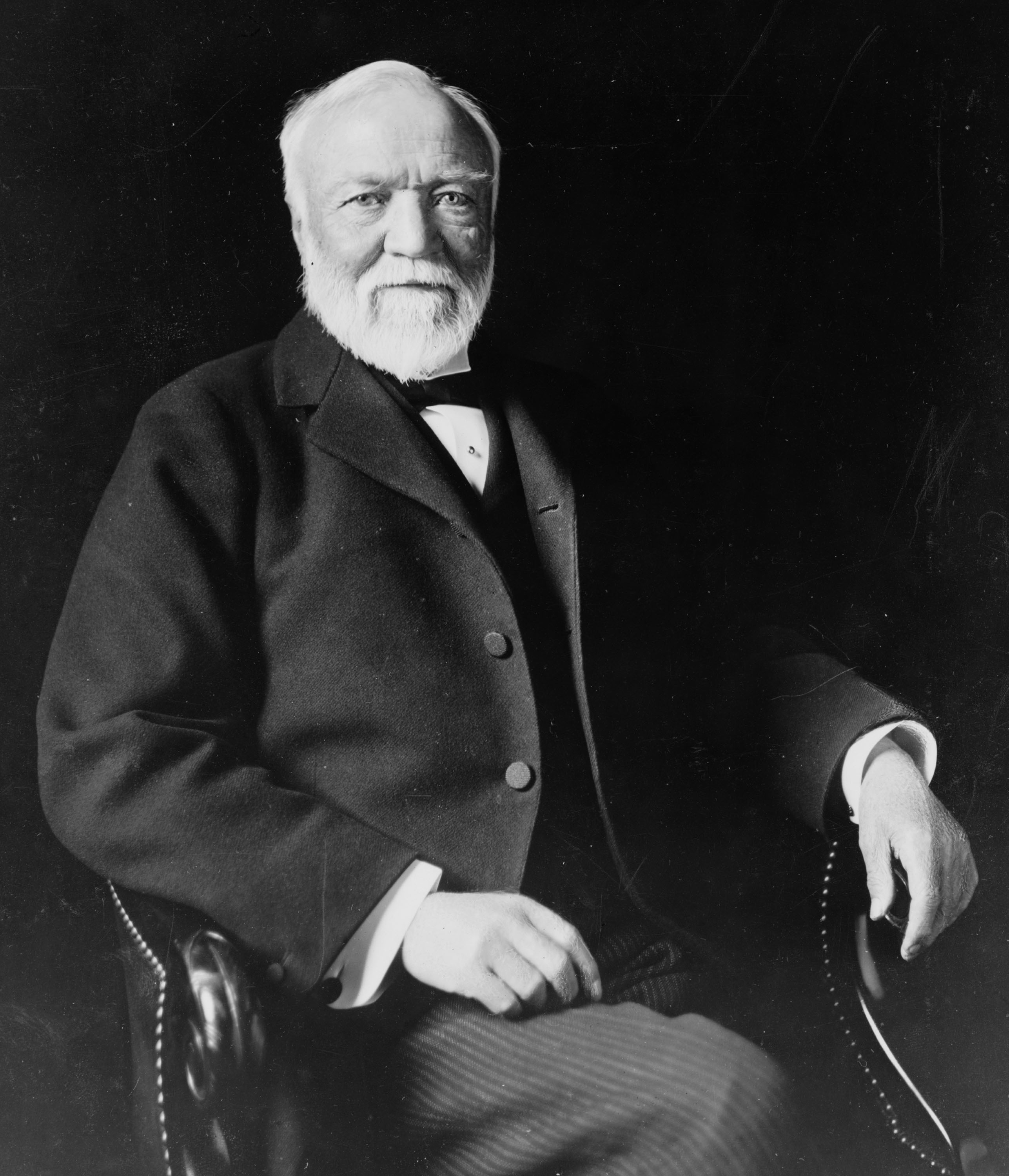
If you want a historical benchmark for diaspora philanthropy, Andrew Carnegie is usually where the conversation starts — the Dunfermline-born steel magnate who gave away the bulk of his American fortune, funding thousands of public libraries across the English-speaking world and cementing "giving while living" as a genuine philanthropic philosophy rather than just an estate-planning afterthought.
Ireland's equivalent, Chuck Feeney, arguably went further. Feeney co-founded Duty Free Shoppers and quietly transferred his entire 38.75% stake into a foundation, Atlantic Philanthropies, as far back as 1984 — and then spent the following decades giving virtually all of it away, on purpose, before he died. Global giving through Atlantic totalled around $8 billion. Ireland alone received roughly €1.3 billion, with a further €570 million directed specifically to Northern Ireland. The money built the Tyndall National Institute and Boole Library at UCC, funded major capital projects at the University of Limerick, Trinity College Dublin and Queen's University Belfast, and — less visibly, but arguably more significantly — helped fund the peace process that produced the Good Friday Agreement in 1998.
For fifteen years, Feeney gave anonymously, requiring recipients to sign agreements not to reveal where the money came from. He flew economy, carried his belongings in a plastic bag, and was famously uninterested in having his name on any building he funded. It's hard to imagine a purer version of "old money" diaspora philanthropy: enormous, deliberate, largely invisible while it was happening, and entirely focused on building institutions rather than helping individual families.
Feeney wasn't a one-off, either — he's simply the largest example of a broader philanthropic pattern. The Ireland Funds, a dedicated diaspora fundraising network with chapters across the US, Britain, Australia and beyond, has raised over $550 million since its founding, channelled into thousands of smaller grants across culture, education, peace-building and community projects — a steadier, more distributed version of the same instinct that drove Feeney's giving.
New money: when a hedge fund rescue looks a lot like a homecoming
Philanthropy is the easy part of this story to admire. The more interesting — and more ambiguous — chapter came during Ireland's post-2008 banking collapse, when the diaspora's involvement wasn't charitable at all. It was pure, cold capitalism, and it still mattered enormously.
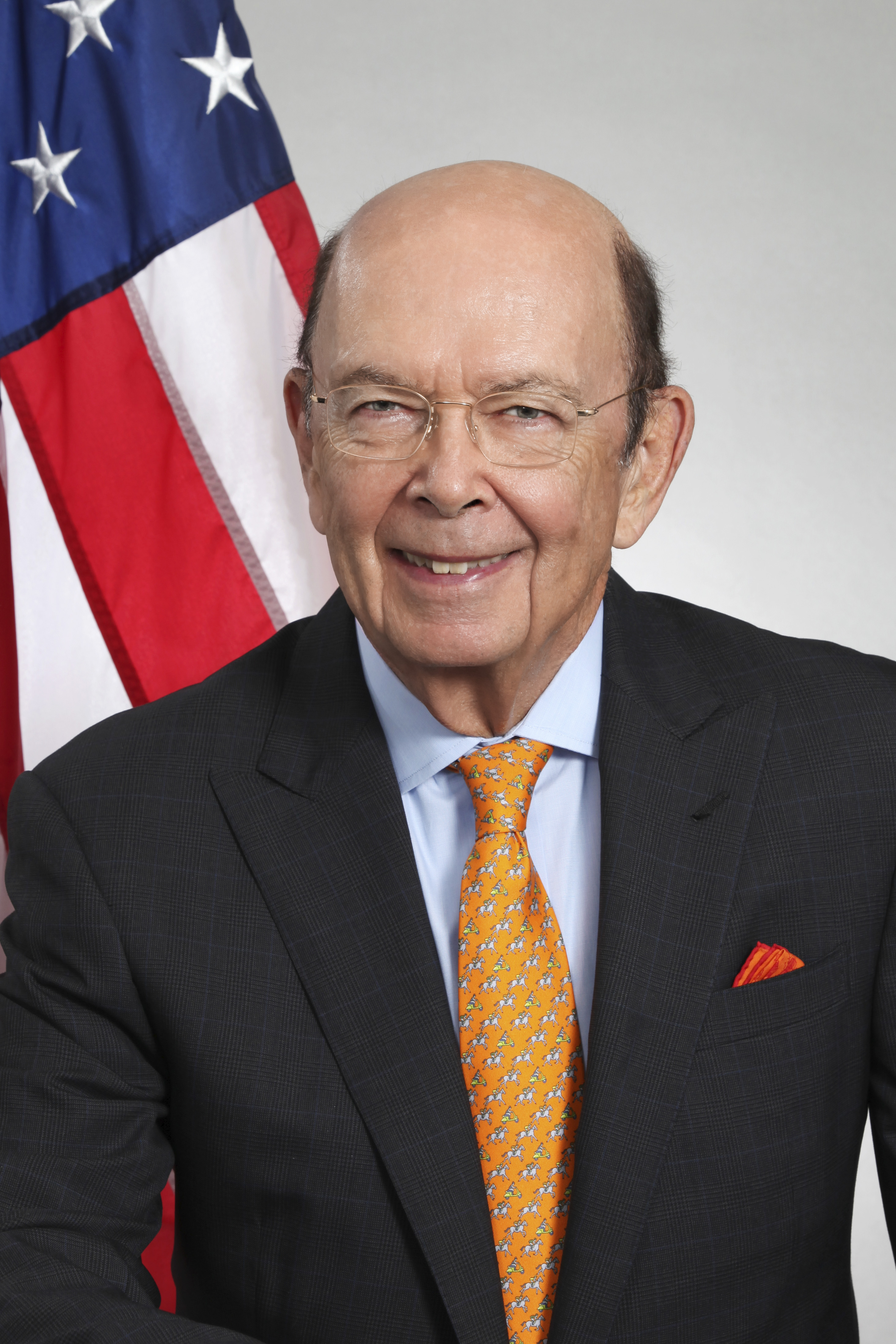
In 2011, at the lowest point of the crisis, American investor Wilbur Ross led a group of investors who put €1.1 billion into Bank of Ireland for a 35% stake, at a moment when the state's own borrowing costs had spiked past 14% and the country's credit rating had been cut to junk. It's widely credited with helping the bank avoid outright nationalisation. Ross wasn't doing this out of sentiment — he sold his position between 2013 and 2014 for a reported €500 million profit, and years later was floated as a candidate for US Commerce Secretary partly on the strength of the deal. John C. Malone, another prominent Irish-American investor, is linked to the same period of diaspora-adjacent financial support for Irish institutions, though with a smaller, less publicly documented role than Ross's.
Whether or not you'd call this "giving back" in the way Feeney's money clearly was, it points to something real: at Ireland's moment of maximum vulnerability, it was diaspora-connected capital — not sentiment, not remittances, but genuine institutional dealmaking — that showed up. The Irish government's own response leaned into this directly, launching the Global Irish Economic Forum and the Global Irish Network specifically to formalise these relationships. The Network alone now comprises roughly 350 Irish-born or Irish-affinity CEOs and senior executives worldwide, effectively acting as an informal college of economic ambassadors — turning what might otherwise have been one-off opportunism into an ongoing, deliberate channel between Irish companies looking to scale internationally and the global Irish business world.
Newest money: venture capital with a diaspora clause
The most recent chapter blends the two — profit motive and explicit diaspora identity, built into the same investment vehicle on purpose.
Elkstone Partners, a Dublin-based private market specialist, has built an entire fund structure around exactly this idea. Its venture arm has backed more than 70 Irish start-ups since 2015, including three unicorns, supporting roughly 4,000 jobs and helping portfolio companies raise over €1 billion in follow-on funding. Critically, its newest fund has carved out up to €50 million specifically earmarked for diaspora investors — people with Irish roots living in Silicon Valley, London or Sydney who want both a genuine financial return and a stake in Ireland's next generation of companies. It's not philanthropy, and it's explicitly not nostalgia either; Elkstone pitches it as real venture returns, dressed in a genuine, deliberate Irish identity. Adrian Jones, a Roscommon-born Goldman Sachs partner, is often cited as an example of the kind of diaspora figure this model is built to attract — senior, globally connected, and still commercially engaged with home.
How this stacks up against other diasporas
Set this against two other well-studied diaspora economies and the contrast sharpens.
The Italian diaspora's economic relationship with home has historically run through classic remittances — money sent by individual workers to individual families — alongside a more recent, softer "cultural trade" backflow built around food, hospitality and tourism rather than institutional capital. It's broad, decentralised, and largely personal rather than corporate; there's no obvious Italian equivalent to a dedicated diaspora venture fund or a single philanthropist rebuilding a national university system.
Scotland's "Global Scot" network, by contrast, is highly targeted: individual mentorship and advisory relationships, pairing successful expatriate businesspeople one-to-one with specific Scottish companies needing guidance, rather than pooling diaspora capital into funds or foundations at scale. It's arguably more personal and more immediately useful to any single company lucky enough to get matched with a mentor — but it doesn't move billions, and it isn't designed to.
The Irish version doesn't look quite like either. It's simultaneously more institutional than the Italian model and more capital-heavy than the Scottish one — closer to treating the diaspora as a standing asset class than a sentimental resource to be tapped occasionally. The Irish state's own commitment reflects this: a dedicated Ministry of the Diaspora, and a Diaspora Strategy running to 2030 with a record direct engagement budget, treating global Irish identity as genuine economic infrastructure rather than a cultural nice-to-have.
So — bucking the trend, or just further down the same road?
Here's the honest answer: probably both. The classic pattern — remittances fade as generations lose direct family ties to the homeland — likely still holds true for most individual Irish-American or Irish-Australian families several generations removed. Grandchildren of emigrants aren't wiring money to relatives in Mayo the way their great-grandparents might have.
But at the institutional level, something has clearly not faded — it's been rebuilt, on purpose, in a completely different form. Philanthropy, crisis-era investment and now structured venture capital all suggest a diaspora economy that professionalised rather than dissolved, replacing individual remittances with something closer to a permanent, elite financial relationship between Ireland and its most successful emigrants and their descendants. Whether that's a healthier, more sustainable model than traditional remittances, or simply a different one that works for a smaller number of very wealthy people, is a genuinely open question.
We'd like to know what you think — whether you're one of the "new money" diaspora investing directly, someone whose family's connection to Ireland has faded into a more sentimental one, or somewhere in between. Does the Irish approach to giving back feel like something worth being proud of, or does it risk leaving behind the ordinary diaspora experience in favour of a wealthy few? Tell us in the comments below.