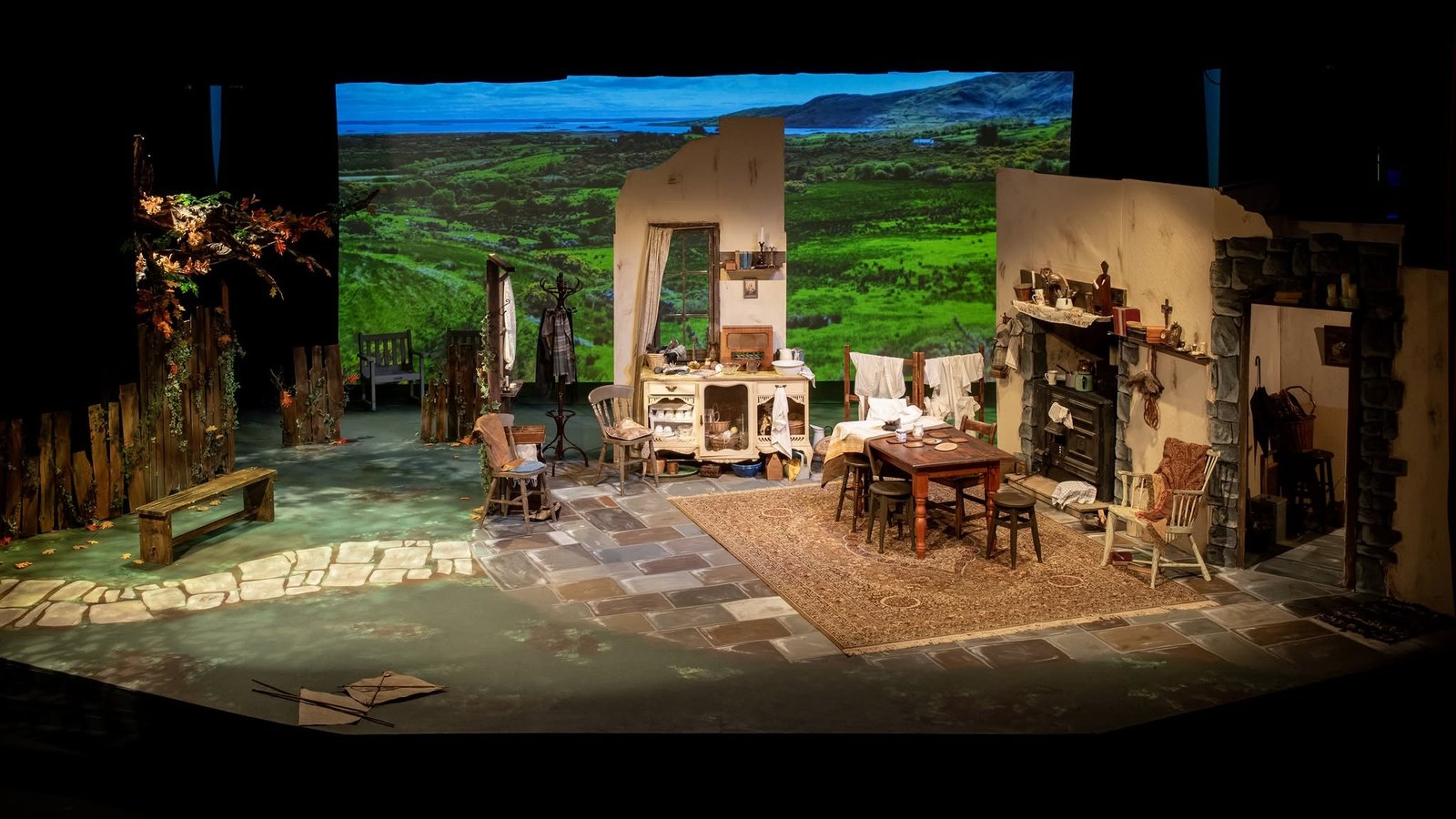
Ireland has produced four Nobel laureates in literature, three of them primarily known for the stage. For a country with a population smaller than most large cities, that's a genuinely strange ratio — and it hasn't slowed down. From the Abbey's founding in 1904 to Druid's global touring today, Irish theatre keeps finding an audience far beyond what its size would predict.
Ask people in the industry why, and you'll get a dozen different answers. But a few threads keep coming up, again and again.
A culture that talks for a living
Long before there was a national theatre, there was a national habit of talk — storytelling, argument, wake-house tales, the pub monologue perfected over generations. Playwrights didn't have to invent dramatic dialogue from nothing; they had a whole culture that already thought in scenes and punchlines. That's a genuine head start most theatrical traditions don't get.
It shows up in the writing itself — dense, funny, often devastating within the same sentence. Irish plays tend to trust an audience to follow fast, layered dialogue, because that's simply how people talk at home.
Small stages, big ambition
Ireland's theatre scene is small enough that companies can't rely on scale — there's no equivalent of Broadway's audience numbers to fall back on. That's forced an odd kind of ambition: companies like Druid built their reputation by touring relentlessly, taking work to small halls in west of Ireland towns before ever reaching London or New York, refusing to treat rural audiences as an afterthought.
That discipline — making work good enough to survive a tour of small rural venues — tends to produce theatre that holds up anywhere.
Why it still resonates abroad
For the diaspora specifically, Irish theatre often lands differently than it does at home — a direct line to a way of speaking, arguing and grieving that doesn't always travel in other forms. A good Irish play touring internationally isn't just entertainment for audiences with Irish roots; it's often the closest thing to actually being in the room back home.